It’s Time for the Catechumenate
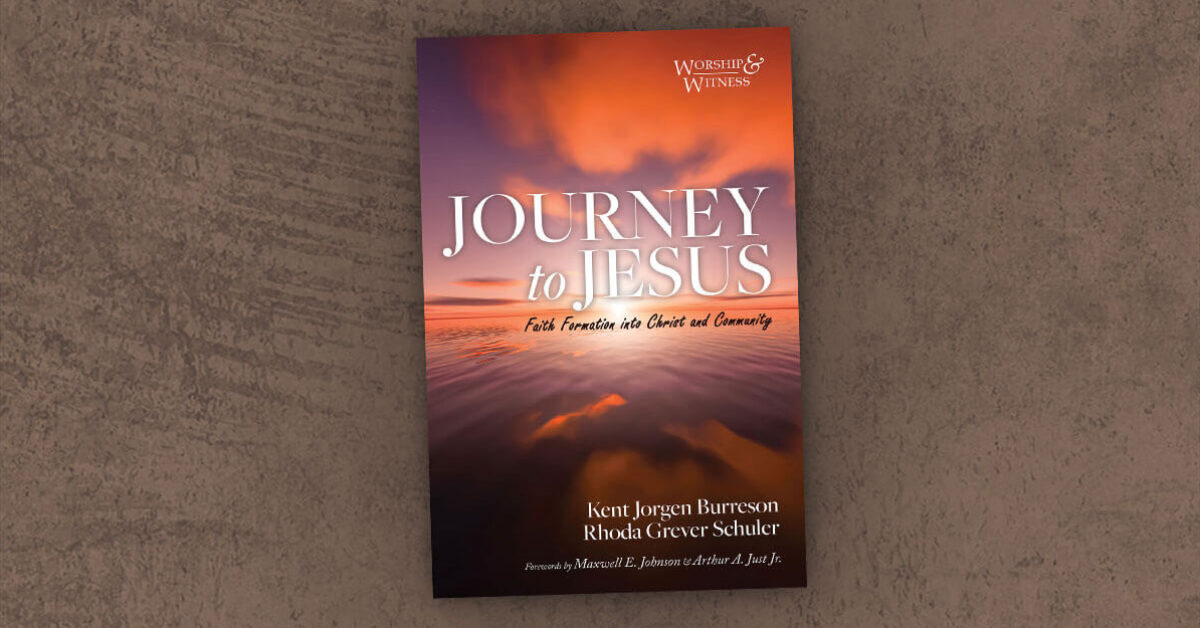
“Behold, now is the favorable time; behold, now is the day of salvation (2 Cor. 6:2). As Rhoda and I write in chapter 6 of Journey to Jesus:
In the Lutheran tradition the baptismal paradigm of dying and rising (Rom 6) is central to the mission of the faith formation process. As Pastor Droegemueller at Living Faith said of theirs, “We make a big deal out of remembering at the Easter Vigil that we are buried into Christ’s death in baptism, and raised into his resurrection in holy baptism.” Planting newcomers at the center of congregational life embeds the dying and rising pattern as the central way of understanding the shape of a congregation’s life and its missional habitus. This process is about congregational transformation, not some program for welcoming new members. As Deaconess Rojas at Redeemer affirms, “It transforms our way of life and impacts our daily living.” As a catechumen at Redeemer said, “It changed my very life.” This transformation flows from the watershed baptismal event because the people of God in Christ are never not in formation until baptism is completed in death. In these congregations, through their rituals and formation, the catechumens and the congregations are constantly putting to death their sinful, selfish selves and being raised with Christ as a new creation, eager to be engaged in the mission of God at all times. Since this is God’s mission in his Son—to make us into the true, faithful humans God intended—as Hirsch says, “We never move from being a disciple on the way” (Hirsch, Forgotten Ways, 103). The catechumenate shapes a community that reflects Hirsch’s definition of a missional church: “A community of God’s people that defines itself, and organizes its life around, its real purpose of being an agent of God’s mission to the world” (Hirsch, Forgotten Ways, 182).