The Adult Catechumenate and Christian Formation: The Divine and Human Dimensions of Conversion
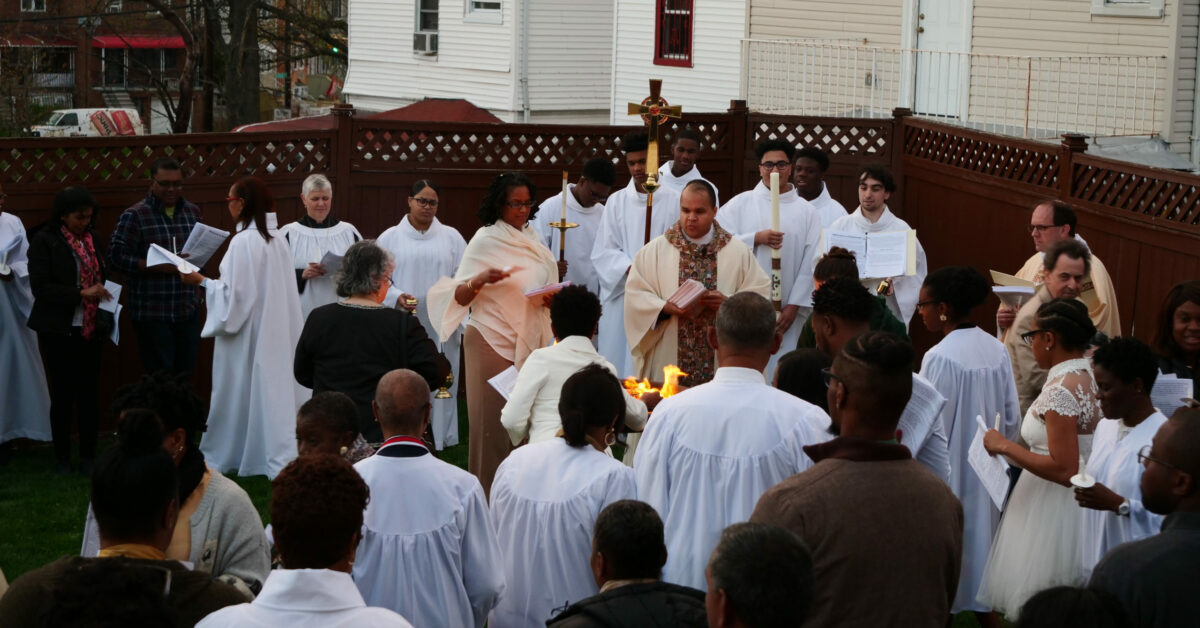
The last two weeks of my catechumenate class we have focused on the history of conversion and the catechumenate in the church and conversion from the divine side. Alan Kreider’s The Change of Conversion and the Origin of Christendom has facilitated the exploration of this history emphasizing the intertwining elements of believing, belonging, and behaving for the early church’s process of conversion. If you haven’t ever read Kreider’s book, it was an eye-opening experience the first time I read it. I think it was similarly revelatory for my students. Kreider decidedly focuses on the human elements of conversion manifest within the writings of the ante-Nicene and post-Nicene church fathers. He indicates how the Christian community attended to those who were attracted to the Christian community’s way of life as exemplified in what they believed, how they engaged community life, and how they behaved in ways that were at odds with cultural manners and ways. Believing—belonging—behaving all intertwined to create the crucible for a profound experience of conversion. The church today needs to give attention to the balance of those human experiences in conversion. I am convinced that the catechumenate facilitates that balance of experience in the church’s witness and life.
Focusing on the human elements in the history of conversion led to consideration of a Lutheran theology of conversion. Lutherans, perhaps surprisingly to my students, recognize the dual realities in conversion, the divine side and the human side (Francis Pieper uses the terms transitive and intransitive). Unsurprisingly, Lutherans navigate a tension in these two sides to conversion and don’t resolve them. On the divine side, God is entirely the agent of conversion through the Word and God’s means of grace (divine monergism). But, as the Lutheran Confessions indicate, people are not blocks of wood or stone in conversion. God is not working on inanimate objects, but upon God’s creatures. Working on us to bring us to trust in God, the Father employs his spoken and visible Word upon our creaturely facilities: minds, hearts, and bodies. While we humans contribute nothing to our own conversion, nonetheless we are actively involved in our conversion through God’s working upon us through these decidedly creaturely channels. As I indicated to the students, this is one of the most important elements of the course theologically. In facilitating conversion through the catechumenate, the church must give attention to both dimensions in conversion. God converts us to himself, but we humans perceive the effect of God’s working through creaturely and tangible means: our thinking, feeling, behaving, repenting, sense of belonging and relationship, etc… God alone converts US through our very creatureliness. Next week we’ll begin to explore the various dimensions of that human side of conversion.